



One veteran's contribution to 250 years of freedom
(BPT) - Key Takeaways
- As America celebrates 250 years of freedom, it's time to honor the veterans, service members, and their loved ones who have made it possible.
- Wounded Warrior Project® (WWP) has helped veterans like Mark Lalli (pictured above) find healing and camaraderie after leaving service with mental and physical wounds.
- Supporting warriors is a shared responsibility. Find out how you can do your part to honor and help them and their families now and forever.
For 250 years, the courage, resilience, and strength of service members and their families have shaped the country and secured the promise of freedom - past, present, and future. Whether they're Army, Navy, Marines, Air Force, Coast Guard, or Space Force, they share the same commitment and contribution to American strength.
For many veterans and service members, joining the military is more than a calling - it's a legacy.
"From the Revolution through now, I had somebody in my family serving," said Army veteran Mark Lalli. "I have my great-grandfather's dog tags from World War I. My maternal grandfather did seven invasions in the Pacific, and my paternal grandfather served in Europe."
This is just one story of millions that underscores how service members and their loved ones have made America's 250th anniversary of independence possible. However, these contributions often come at a personal cost that many warriors contend with in and out of uniform.
"From one generation to the next, warriors have answered the call to defend our freedoms," said WWP® CEO Lt. Gen. (Ret.) Walt Piatt. "It's our duty to ensure they're never left to carry the cost of that service alone."
Visible and invisible wounds
Thirteen months after the 9/11 attacks, Lalli joined the U.S. Army to honor his family's military heritage and desire to protect his country. He eventually became a Black Hawk crew chief, serving as a mechanic and combat gunner.
During a training exercise in Italy, Lalli's military service was cut short when his helicopter crashed, killing six of the soldiers on board and leaving Lalli with severe injuries. Returning to civilian life, he faced uncertainty, physical challenges, post-traumatic stress disorder, and a loss of the close bonds he had relied on.

Supporting and empowering service members, their families, and caregivers is a shared responsibility that reflects the values that define America.
Lalli's challenges aren't uncommon. According to the WWP Warrior Survey:
- 76% of warriors report that pain interferes moderately or severely with their enjoyment of life.
- 63% of warriors reported symptoms of one or more mental health conditions, including PTSD.
- 79% of warriors report that they sometimes or often feel isolated, and 72% feel they lack companionship.
These seen and unseen wounds create barriers for service members to thrive. However, organizations and individuals have stepped up to support the ongoing and evolving care needs of veterans, service members, and their loved ones.
Supporting a brighter future for service members
Lalli's path to healing and support started when he got connected with WWP.
"I first met Wounded Warrior Project when an outreach coordinator came to visit me in the hospital," Lalli said. "He showed me that it's not the end and inspired me to believe that anything is still possible."
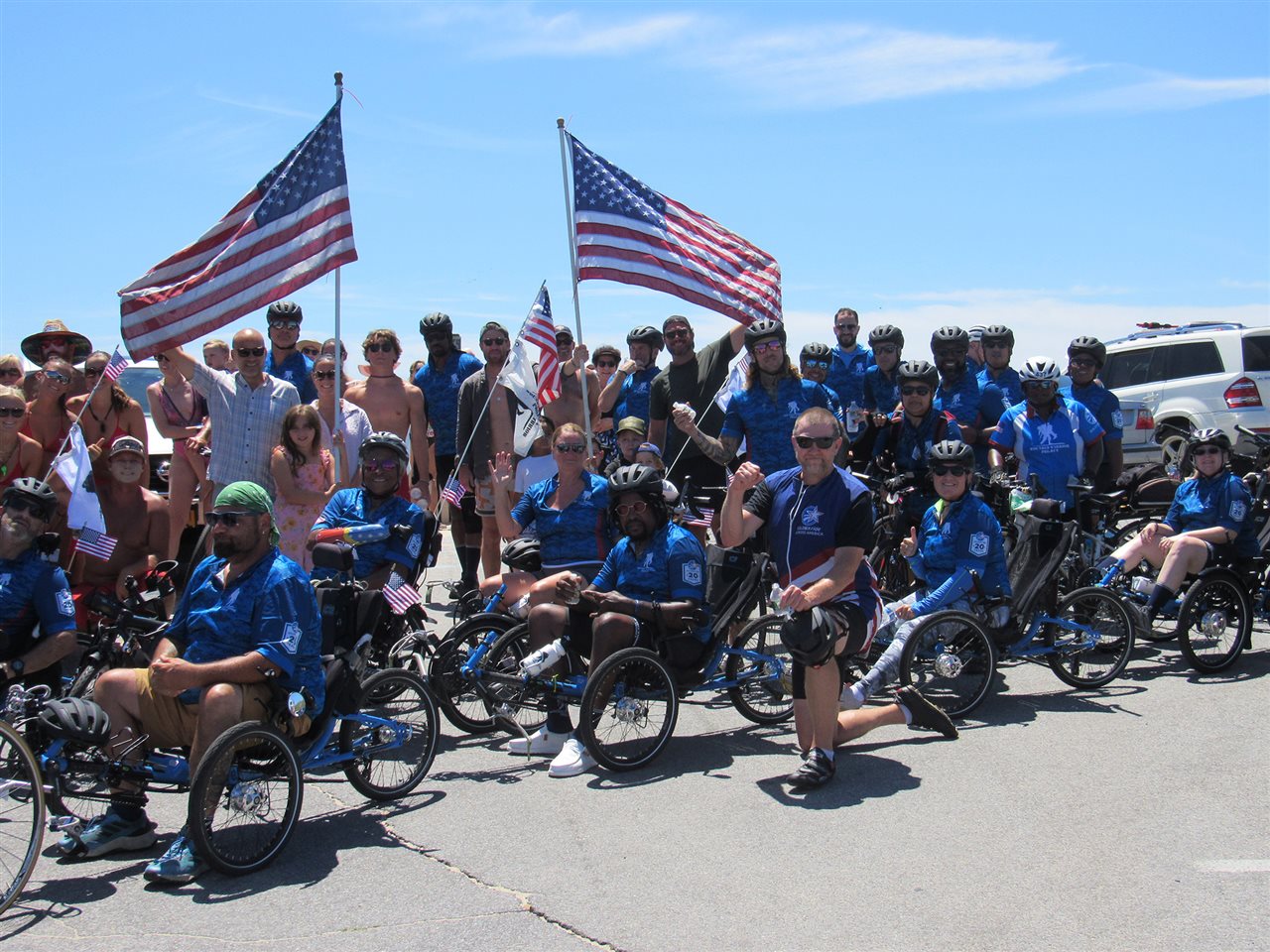
By participating in WWP programs and events, like Soldier Ride® - a multiday adaptive cycling event - Lalli recovered a sense of community, confidence, and hope.
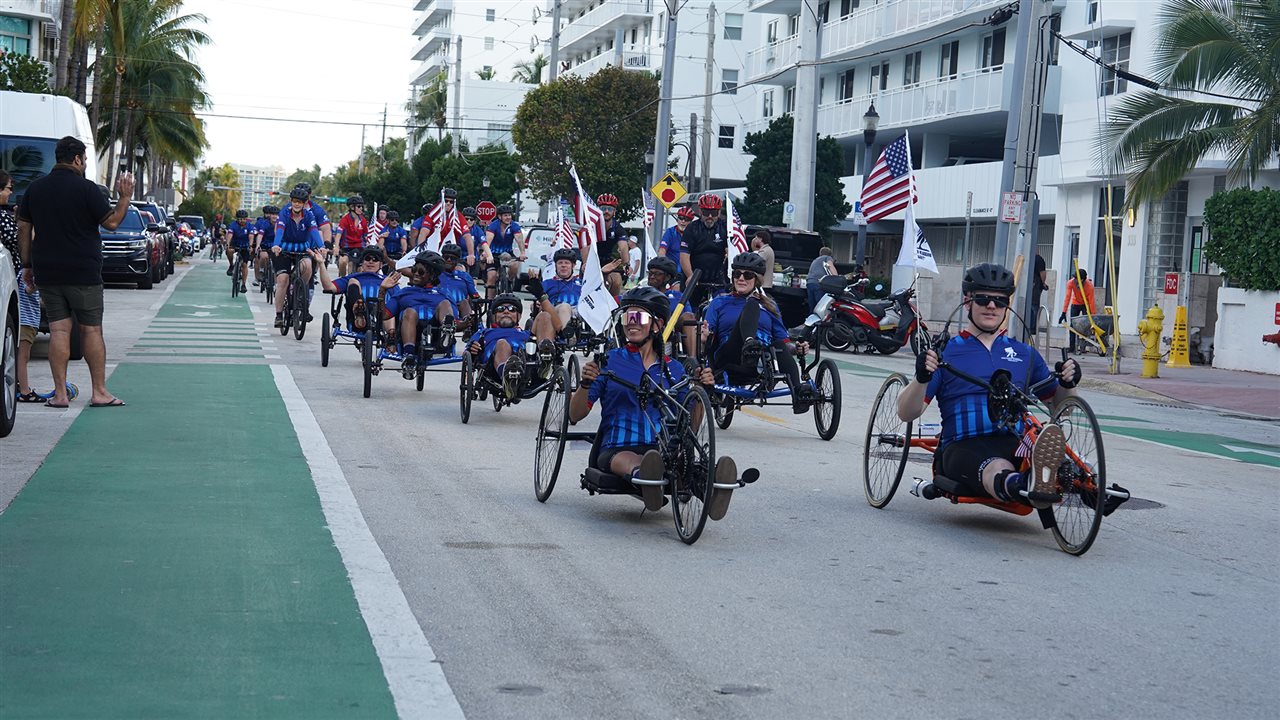
"Being on Soldier Ride brings back the camaraderie and tribe mentality that we had in the military," Lalli recalled. "It's how the environment and being together help each of us bring out the best in one another. It has helped me reignite my drive and has helped me work harder at being the best father, husband, and friend I can be to those around me."
This is just one example of how WWP supports veterans, service members, and their families across every stage of life and service. The nonprofit strives to help warriors rebuild connections, regain confidence, and move forward after their military service. To that end, WWP programs are designed to meet warriors where they are.
For some, like Lalli, that means connecting veterans with community after isolation. For others, it can mean help navigating mental health challenges, support for improving physical well-being, or resources to strengthen family support. This important work ensures that warriors past and present have what they need - not just to get by, but to truly thrive. WWP remains committed to that mission for years to come.
How you can help warriors thrive for a lifetime
As the U.S. celebrates 250 years of freedom, it's time to give back to those who have served, are serving, and will continue to serve to protect that freedom. Supporting and empowering service members, their families, and caregivers is a shared responsibility that reflects the values that define America.
"Wounded Warrior Project stands by our nation's heroes no matter what - keeping the promise to bring every warrior home, mind, body, and soul," Piatt said. "Caring for those who sacrificed to protect us is a privilege and responsibility we all share."
To learn more about how you can be part of the next 250 years of strength, resilience, and service and support the nation's warriors today and always, visit WoundedWarriorProject.org/250Anniversary and WoundedWarriorProject.org/Donate.
Source: BrandPoint