


WM Updates Recycle Right® Rules: No Batteries in Recycling or Trash
WM Updates Recycle Right® Rules: No Batteries in Recycling or Trash |
| [15-June-2026] |
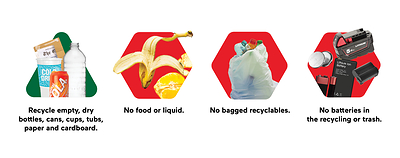
National Waste & Recycling Association Study Showed an Estimated 5,000 Battery-Related Fires Occur at Recycling Facilities Annually Nationwide HOUSTON, June 15, 2026 /PRNewswire/ -- WM (NYSE: WM), North America's leading environmental solutions provider and largest recycler, has added a fourth rule to its Recycle Right® list of items that should never go in recycling and trash bins – batteries – as batteries can pose a fire risk that could injure workers or impact facilities.
Batteries include alkaline batteries, the most common household batteries, as well as lithium-ion batteries. Alkaline batteries include batteries that go in remotes, clocks, toys and flashlights, while lithium-ion batteries can be found in shavers, electric toothbrushes, smart devices, power tools, e-bikes and e-scooters, Bluetooth-enabled trackers and even audio greeting cards. "Batteries don't belong in recycling or trash; they're a fire risk that puts workers, first responders, collection vehicles and facilities in danger," said Ryan Nordt, executive director of recycling operations, WM. "A clear 'no batteries' rule helps protect people, communities and prevent fires." Market Reports World data indicates most single-use batteries are alkaline batteries while Statista data shows lithium-ion battery demand will increase by nearly 7X by 2030, solidifying the importance of proper battery disposal. Consumers should visit batterysafetynow.org for resources and a battery drop-off locator to understand the importance of battery recovery and proper disposal. "We commend WM for adding a fourth recycling rule on batteries," said Michael E. Hoffman, president and CEO of the National Waste & Recycling Association. "Our recent study shows that an estimated 5,000 battery-related fires occur annually at recycling facilities and a fire nearly every day in every state in waste and recycling trucks, transfer stations, recycling facilities or landfills. Every effort to educate consumers on the correct way to recover batteries is imperative." What are the recycling rules to know?
Why can't consumers put batteries in recycling or trash? What items have batteries? Where can consumers learn more about how to discard batteries and tips on how to recover batteries properly? Visit WM's Recycle Right® page or the How2Recycle site for more tips on how to recycle more effectively and look at local municipality recycling acceptance lists for what can be accepted for recycling in specific communities. ABOUT WM
SOURCE WM | ||
Company Codes: NYSE:WM |

 View original content to download multimedia: