



The Rising Indoor Air Crisis Hitting Australian Workplaces this Summer
BRISBANE, AU / ACCESS Newswire / December 8, 2025 /As temperatures climb, most Australians prepare for the usual run of hay fever and seasonal allergies outdoors. But what many businesses overlook is that spring and early summer often create the most challenging conditions inside offices, retail spaces and commercial sites, with indoor air quality dropping long before anyone notices.
With one in three Australians now living with allergies and national losses from these reactions reaching $18.9 billion each year, poor indoor air quality is quickly becoming a workplace issue affecting both staff and visitors.
For businesses without a professional cleaning team, clean surfaces and basic maintenance can only go so far. They don 't address the rise in airborne particles, allergens and mould spores that circulate more heavily at this time of year.
A perfect storm of airborne irritants begins inside
Several environmental shifts occur between September and December that intensify indoor air pollution. Pollen levels rise rapidly, and it doesn 't take long until they make their way inside homes, offices, shopping centres and more. And where do they land? In the spots you don 't even think about, hiding in places that still look clean, tidy and hygienic on the surface.
Air conditioners that have been idle all winter get switched back on and often push out months of settled dust, skin particles, pollen and other contaminants. Before you even realise it, those particles are circulating through the whole space. Higher humidity levels also create the perfect conditions for mould growth in corners, carpets and behind furnishings.
All of this builds an indoor environment that triggers symptoms long before anyone notices the cause. Indoor air quality still isn 't well monitored in Australia, with a recent report highlighting significant gaps in data, policy, protections and public awareness around the air Australians breathe indoors. This means the true scale of the indoor air issue remains unclear, even though it directly affects health, productivity and the economy.
A real cost to businesses and the economy
Seasonal allergies are more than a quick, passing irritation. They don 't behave like a cold that clears up in a week. As symptoms increase, so do staff complaints, sick days and the overall productivity of the workplace. The issue with hayfever is that it 's almost impossible to pinpoint the moment you were exposed. People often blame the morning commute to work, when in reality the culprit could be carpets and upholstery indoors that haven 't been cleaned and are still trapping pollen.
When staff experience congestion, headaches or fatigue at work, productivity drops, work quality declines, and overall morale dips. These symptoms often lead to people taking more sick days, creating further pressure on teams and disrupting the flow of work. Over time, this cycle of discomfort and absenteeism affects not just performance but the overall feel of the workplace.
How businesses can improve indoor air quality this season
Small tweaks to cleaning routines can help keep allergens, dust and moisture under control as the weather warms up.
Deep clean carpets regularly to remove pollen trapped in fibres
Clean vents and air conditioning filters before switching systems back on
Increase cleaning frequency of shared areas as pollen settles quickly
Rotate and clean entry mats more often to limit what is tracked in and out
Open the windows and let natural light in to reduce the risk of mould growth
Keep blinds, window frames and sills dust-free
Use HEPA-grade vacuuming for finer particle removal
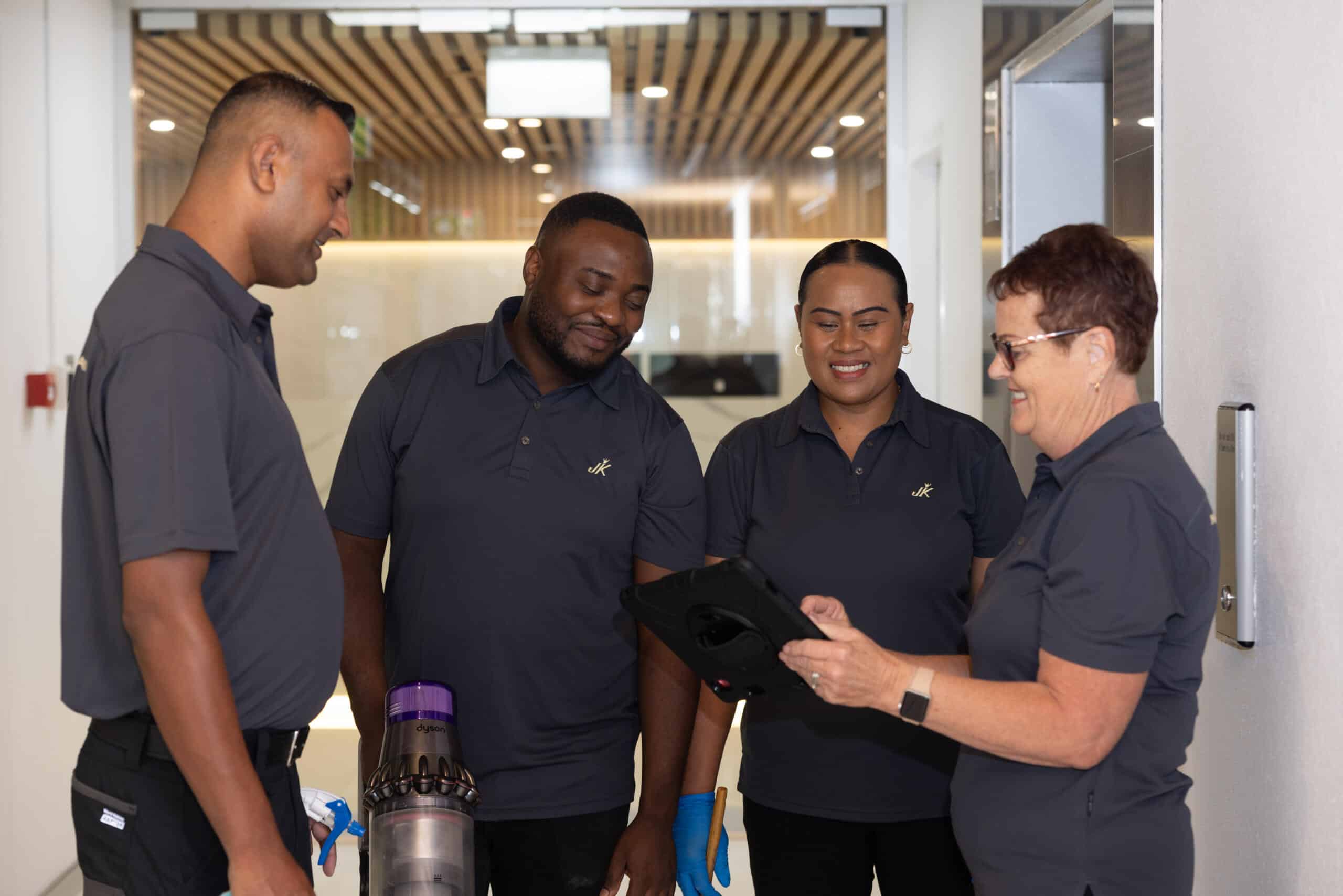
Many businesses find that having professional cleaners involved helps keep things feeling lighter and fresher, especially when allergens are at their worst.
The role of a professional cleaning partner
As allergy rates continue to climb, consistent and informed cleaning is no longer something businesses can overlook. Trained cleaners know how allergens move, where they settle and what equipment is needed to remove them properly. Their processes help reduce airborne irritants and keep workplaces feeling fresher during the warmer months.
For media enquiries or further comment, please contact Jani-King Australia.
Media Details
Business: Jani-King Australia
Email: info@janiking.com.au
Website: https://janiking.com.au/
Location: Brisbane, Australia
Contact Name: Ben Stoltz
SOURCE: Jani-King
View the original press release on ACCESS Newswire
© 2025 ACCESS Newswire. All Rights Reserved.
Breaking News: National Junior College/Prep Football League Launches to Empower High School Athletes On and Off the Field