


Ensuring Lasting Smiles Act: Closing the Gap in Cleft Care Insurance Coverage
(BPT) - A child is scheduled for cleft surgery. The family has arranged time off work, coordinated travel, and completed all pre-operative steps, then, just days before the procedure, an insurance denial arrives.
For many cleft-affected patients and their families in the United States, this is a common occurrence. Being born with a cleft lip and/or palate brings not only medical needs, but also the added burden of navigating complex insurance barriers to access essential care. While cleft care is widely recognized by medical professionals as necessary for a child's health, coverage decisions don't always reflect that reality.
Clefts affect 1 in 700 births and are not resolved with a single procedure. Treatment often involves multiple surgeries over time, along with speech therapy, dental and orthodontic treatment, and psychosocial support. When any part of that care is denied or delayed, it can directly affect a child's ability to eat, speak, hear, and build confidence.
When "medically necessary" is up for debate
Cleft-affected patients and their families can frequently find themselves in difficult conversations with insurance providers over what treatments qualify for coverage. This is especially challenging when coverage decisions conflict with a doctor's medical recommendations.
Delays and denials often stem from misconceptions in which procedures that restore essential functions, such as eating, breathing, and speaking, are incorrectly classified as cosmetic rather than medically necessary.
"Living with a bilateral cleft lip and palate has affected how I speak, breathe, eat, and hear, but the hardest part has been the constant fight with insurance over medically necessary surgeries," said Toni-Elizabeth Wilkerson, a member of Smile Train's Cleft Community Advisory Council. "I've even had a procedure canceled just eight hours before I was due to go into the operating room, leaving me with physical, financial, and emotional burdens."
Stories like this are not isolated. They reflect a broader pattern of coverage delays and denials faced by cleft-affected patients and their families nationwide.
A push for change
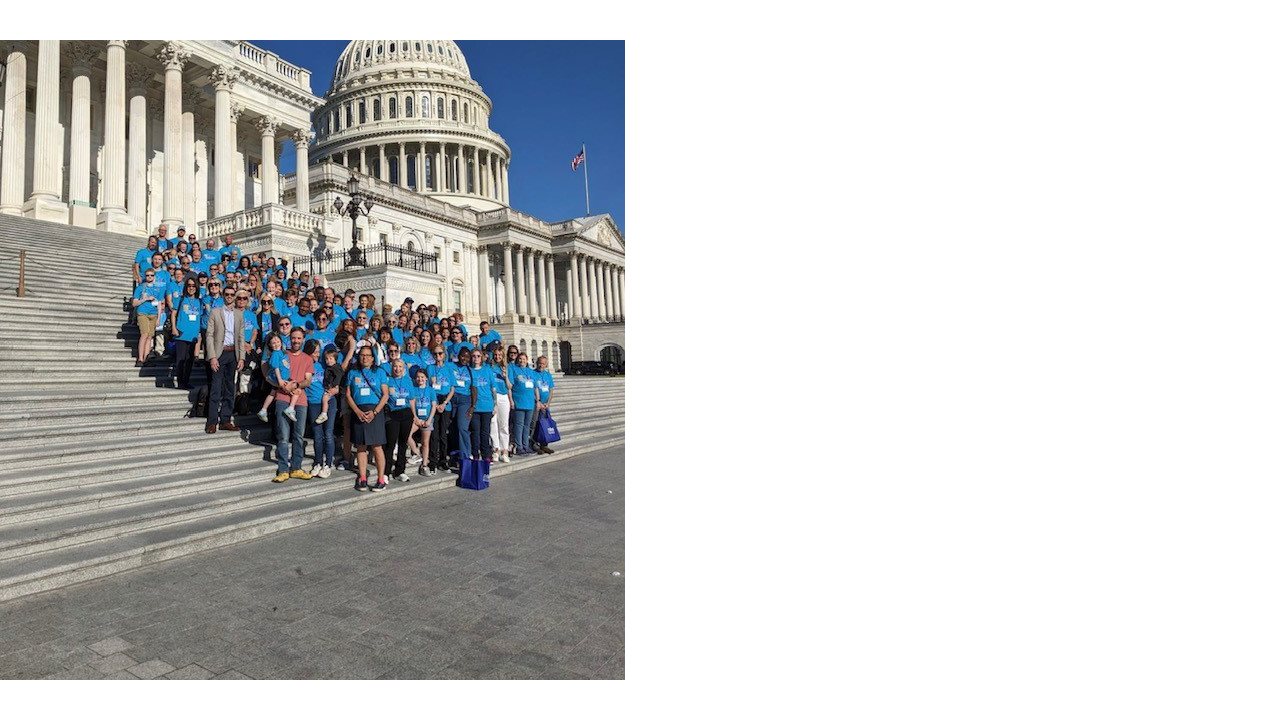
The Ensuring Lasting Smiles Act (H.R. 3277/S.1677) aims to close this gap by requiring private insurers to cover the full range of necessary treatments for congenital anomalies such as cleft lip and palate, so doctors, not insurance companies, can determine the care children need to grow, speak, and thrive. From April 21-23, Smile Train is mobilizing to build momentum for this critical legislation by contacting legislators and raising our collective voice. We encourage everyone to #TakeAction4ELSA by reaching out to your legislator via our advocacy tool and joining our campaign kick-off event.
Every child deserves the opportunity to grow, speak, and thrive without unnecessary barriers. By working together to close gaps in coverage, we can help make that a reality for families across the country.
Source: BrandPoint