



The struggle to cope with hyperphagia in Prader-Willi syndrome (PWS)
(BPT) - Did you know that some children and adults living with a rare neurobehavioral condition rarely feel full, no matter how much they eat? They often have unrelenting hunger that leads to constant thoughts about food. In an effort to keep their loved ones safe, some families install locks on cabinets or kitchens, one of many measures they may take to help prevent serious overeating that may lead to serious gastrointestinal complications or even life-threatening stomach rupture.
For many children living with this condition, unrelenting food-related anxiety and constant thoughts about food can overshadow focus, play, and the simple joys of being a child. Many can't eat in the school cafeteria with other kids or even attend a family barbecue or birthday party because food is ever-present.
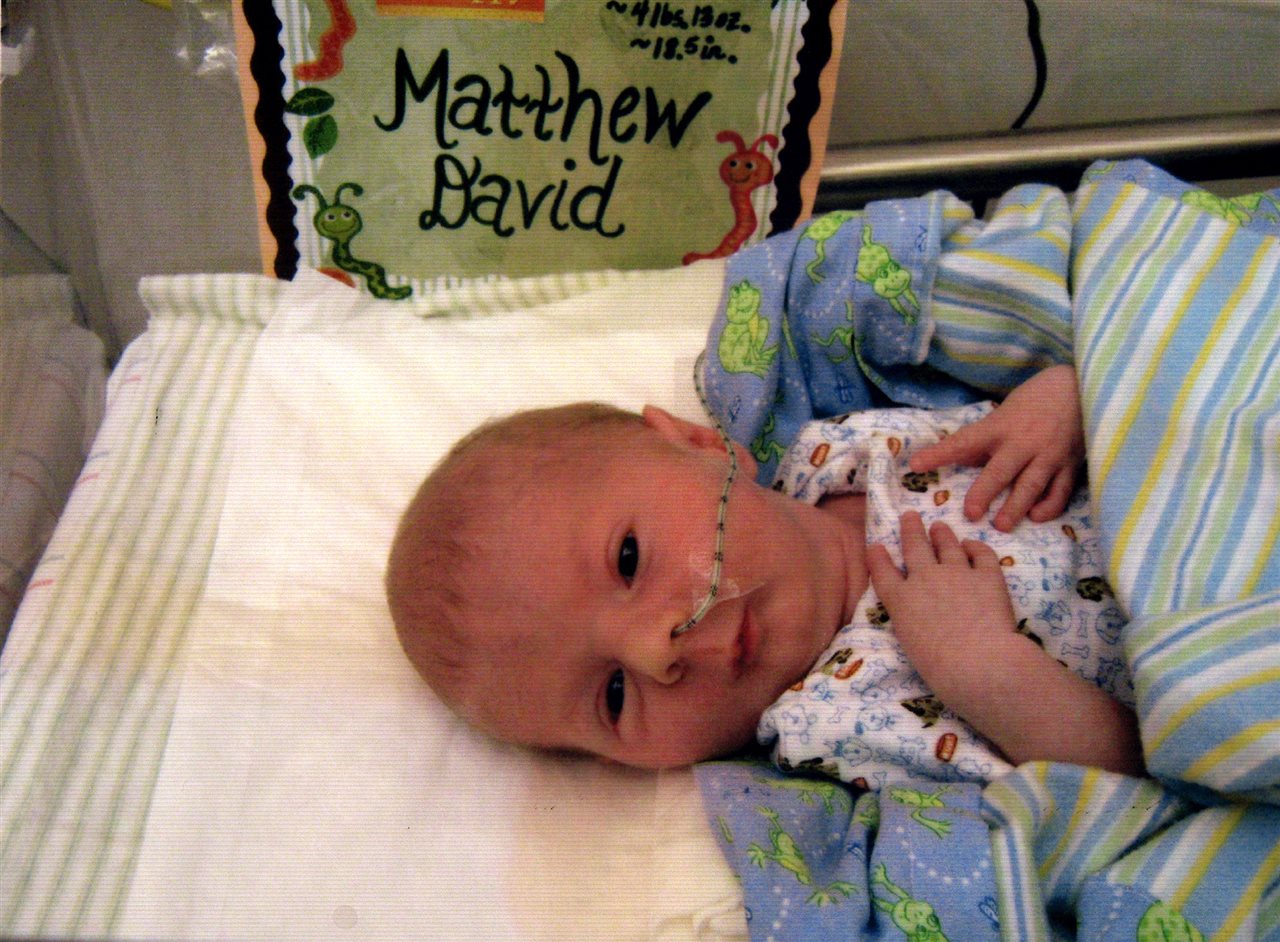
This is what it's been like for 15-year-old Matthew and his parents, Deahl and Adam. Matthew has Prader-Willi syndrome (PWS), a rare genetic disorder characterized by failure to thrive in infancy and a gradual transition to its defining feature, hyperphagia in early childhood. While PWS may look different from one child to another, it is characterized by a wide spectrum of physical, cognitive, and behavioral manifestations that are frequently interconnected and closely related to hyperphagia.
The constant daily challenge of living with hyperphagia in PWS
For individuals living with PWS, hyperphagia is not just a matter of increased hunger. It is a chronic and life-threatening feeling of intense, persistent hunger.
The intense focus on food can lead individuals living with hyperphagia in PWS to:
- Frequently think or talk about food
- Have feelings of anxiety around and about food
- Search for food in inappropriate places, such as the trash or storage areas
- Eat raw or non-edible items
- Get up at night to look for food
- Take food or money in an effort to obtain more food
- Hide or store food for later
- Bargain or negotiate for additional food
- Show rigidity for schedules, especially around mealtimes
- Feel upset, anxious, or overwhelmed when access to food is limited
"We had two entryways, and we put up doors, we locked everything behind the kitchen," said Matthew's mother, Deahl. "We would lock the windows because he would climb through the windows."
Because so many social activities are centered around meals, Matthew's constant fixation with food made it especially challenging for the family to enjoy typical social gatherings, outings, and celebrations together. Being denied food could trigger Matthew to become upset and anxious.
"In our experience with a child with hyperphagia in Prader-Willi syndrome, we were always ready to have our day hijacked. It could be, at any moment, taken over by Prader-Willi syndrome and the things that come along with that," said Matthew's father, Adam. "That constant sense of being on edge around food, not knowing when a situation might escalate, when routines might be disrupted, or when extra support will be needed when food is present, weighs on all of us."
New treatment offers hope
Historically, one of the only ways to manage hyperphagia in PWS was by strictly controlling access to food for that person.
A new medication, VYKAT™ XR (diazoxide choline) extended-release tablets, is the first and only FDA-approved treatment for hyperphagia with PWS. VYKAT XR is a prescription medicine used to treat extreme hunger, constant thoughts about food and constant urge to eat that cannot be satisfied with food (hyperphagia) in adults and children 4 years of age and older with PWS.
"After being on VYKAT for about 4 months,Matthew stopped talking about food as much. As a result of Matthew having fewer thoughts about food, the anxiety is now lifting off of him," said Deahl.
Matthew has experienced hypertrichosis, increased hair growth over the body as a side effect. Common side effects of VYKAT XR include increased hair growth all over the body, swelling, increased blood sugar, and rash. Please see the VYKAT XR Patient Information below for more information.
For Matthew, the medicine has offered him the ability to focus less on food, which has given him the ability to do more of the things he enjoys doing most. "I feel more confident and more independent since I have a little more control around food," Matthew said. "I love to dance and sing all the time and play with my friends."
For his parents, VYKAT XR has made a difference in their everyday lives. "We still monitor everything he eats. We still do everything we used to do, but the constant heightened tension and anxiety around the food isn't there. You can give him a plate of food and he will feel full, which I never thought 15 years ago my child would ever feel."

Families of those who have hyperphagia in PWS can find support and educational resources at VYKATXR.com/resources. You can also learn more about the condition and treatment at VYKATXR.com.
Patient Information for VYKAT™ XR (vye kat ex ar) (diazoxide choline) extended-release tablets, for oral use
What is VYKAT XR used for?
VYKAT XR is a prescription medicine used to treat extreme hunger, constant thoughts about food, and constant urge to eat that cannot be satisfied with food (hyperphagia) in adults and children 4 years of age and older with Prader-Willi syndrome (PWS).
What is the most important information I should know about VYKAT XR?
VYKAT XR may cause serious side effects, including:
- High blood sugar levels (hyperglycemia).Hyperglycemia is common during treatment with VYKAT XR and can also be severe. Hyperglycemia can lead to a condition called diabetic ketoacidosis (increased ketones in the blood) in some people who take VYKAT XR. Diabetic ketoacidosis is a serious condition that needs to be treated in a hospital and can be life-threatening
- Your healthcare provider will:
- check your blood sugar levels before you start VYKAT XR, during treatment and more often during treatment if you have an increased chance of getting hyperglycemia.
- check your HbA1c before and during treatment.
- If you get hyperglycemia during treatment with VYKAT XR, your healthcare provider may give you medicines to treat hyperglycemia, change your dose if you already take hyperglycemia medications, or your doctor may change your dose of, temporarily stop, or permanently stop VYKAT XR.
- Your healthcare provider will:
Tell your healthcare provider if you get any of the following signs and symptoms:
- hyperglycemia:feel very thirsty, need to urinate more often than usual, have higher amounts of urine than usual, feel more hungry than usual, or weight loss
- diabetic ketoacidosis:nausea, vomiting, stomach-area (abdominal) pain, feel weak or very tired or trouble breathing
- Too much fluid in your body or swelling (fluid overload).Swelling in the body from too much fluid is common during treatment with VYKAT XR and can also be severe. Your healthcare provider may decrease your dose or temporarily stop VYKAT XR if you get fluid overload. Tell your healthcare provider if you have trouble breathing or get any other signs or symptoms of fluid overload such as swelling of your legs, ankles, or feet, or unusual swelling anywhere in your body.
Who should NOT take VYKAT XR?
Do not take VYKAT XR if you are allergic to diazoxide, any ingredients in VYKAT XR or medicines called thiazides.
Before taking VYKAT XR, tell your healthcare provider about all of your medical conditions, including if you:
- have diabetes or prediabetes
- are sick
- plan to have surgery
- drink alcohol very often
- are dehydrated or have lost a lot of body fluid
- have heart problems or a history of swelling in your legs or other parts of your body that required medicine
- have liver or kidney problems
- are pregnant or plan to become pregnant. VYKAT XR may harm your unborn baby. Tell your healthcare provider right away if you become pregnant during treatment with VYKAT XR
- are breastfeeding or plan to breastfeed. VYKAT XR passes into your breast milk, and it is not known if it can harm your baby. Tell your healthcare provider if you plan to breastfeed during treatment with VYKAT XR
Tell your healthcare provider about all of the medicines you take, including prescription and over-the-counter medicines, vitamins, and herbal supplements. Taking VYKAT XR with certain other medicines may affect the way VYKAT XR or the other medicine works and may increase your risk of side effects. Do notchange your dose or stop any medicines you take, or start any new medicines, without talking to your healthcare provider first during treatment with VYKAT XR.
What are the possible side effects of VYKAT XR?
- Increased hair growth all over the body, fluid overload or swelling, high blood sugar levels, and rash.
These are NOT all of the possible side effects of VYKAT XR.
Call your doctor for medical advice about side effects. You may report side effects to Soleno Therapeutics, Inc. at 1-833-765-3661 or to the FDA at 1-800-FDA-1088 or www.fda.gov/medwatch.
For further information please read the Medication Guide and full Prescribing Information for VYKAT XR.
C-US-VYK-00423 v1 03/2026
Source: BrandPoint